
As an Amazon Associate I earn from qualifying purchases.
Protecting your wood floors can be tricky when it comes to pianos. A piano can damage wood floors if not handled properly. It’s not just the weight of the instrument that poses a risk; the pressure exerted by the piano’s feet can leave indentations on your precious hardwood.
I remember when I moved my upright piano without proper preparation—I ended up with small but noticeable marks on the oak flooring. It was a lesson learned the hard way about the importance of distributing the instrument’s weight and providing a protective barrier.
Want to Learn Piano?Click Here
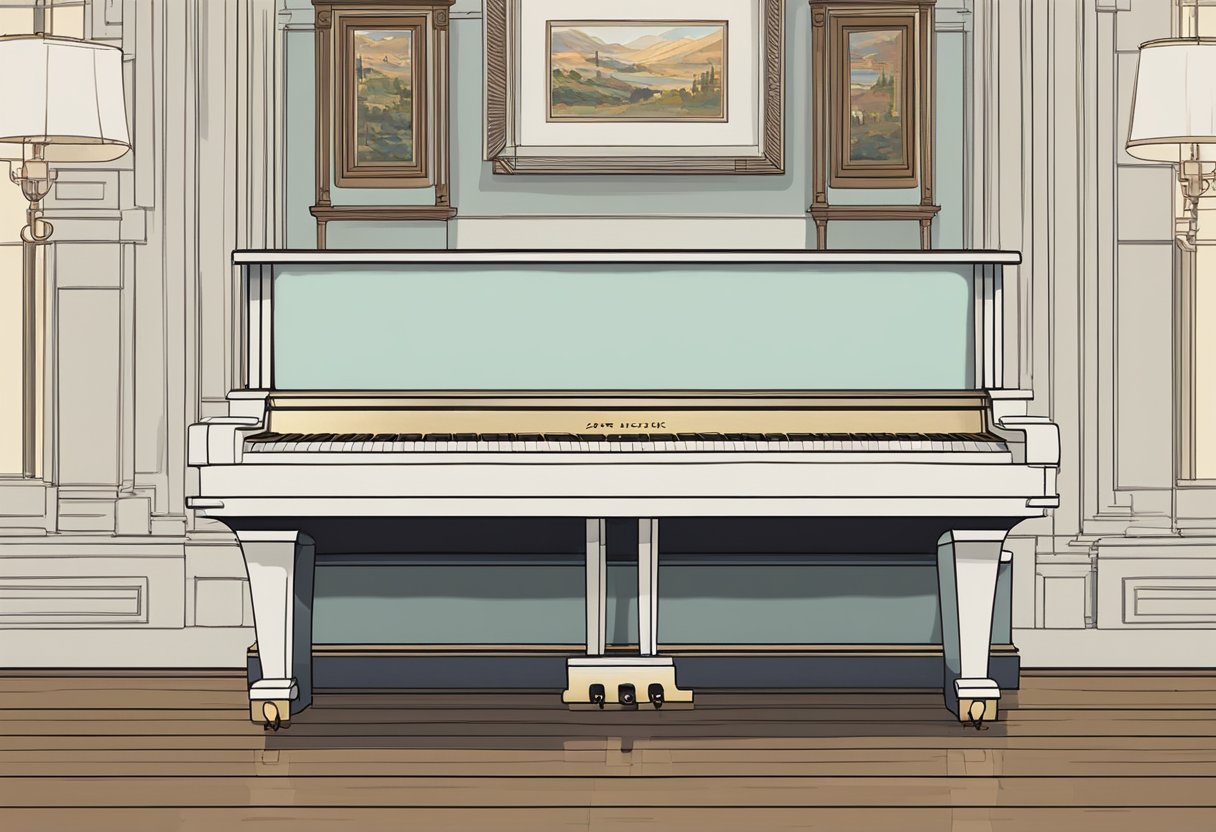
When placing a piano on hardwood floors, consider using caster cups to minimize the pressure on any single point of the floor. These are tried-and-true lifesavers for many wood floor owners, including myself.
Before I discovered caster cups, I used to place a thick rug under the piano, which worked to some extent but wasn’t foolproof. Once I switched to high-quality caster cups, the difference was clear—no more dents or grooves.
Potential Risks to Wood Floors When Moving a Piano
Moving a piano across your hardwood floor can be risky without the right precautions. Even with careful handling, there are specific challenges to consider in order to avoid damage.
Scratches and Dents from Pianos
The fact is that hardwood floors are susceptible to scratches and dents when moving a piano. Pianos, especially grand and upright models, have small metal wheels or casters that are not suitable for rolling on delicate flooring. These casters can easily leave scratch marks or gouges in wood as the heavy instrument moves across the floor.
For example, imagine sliding a grand piano without proper protection and leaving a series of deep, unsightly scratches in the elegant oak flooring. To prevent this, caster cups can be utilized to distribute the weight and protect the floor, or a professional piano mover may use special tools to aid in transport.
Weight Distribution and Pressure Points
An upright or grand piano can weigh anywhere from 300 to over 1,000 pounds, focusing all that weight onto very small pressure points where the legs meet the floor. Without proper weight distribution, these pressure points can press into the wood, causing permanent indentations or damage.
For instance, pushing an upright piano without any floor protection might make it seem easy at first, but once settled, you might notice the deep impressions its weight has left on your wooden floor. Employing moving pads or having professional movers to distribute the weight evenly can help prevent these types of damages.
Protective Measures and Best Practices
When moving a piano onto a wood floor, it’s crucial to prevent any potential damage. Here’s a few moving tools I’d suggest using.
Appropriate Moving Tools and Techniques
To safeguard your flooring during a move, employing professional movers with expertise in handling heavy instruments like pianos is essential. These specialists generally make use of a dolly and moving blankets to not only protect the piano but also your floors.
If you don’t see them taking these kind of measures, you need to seriously consider hiring someone else.
When navigating a piano over wooden surfaces, a dolly with rubber wheels can minimize harm to the floorboards. Additionally, laying down a path of plywood can act as a shield against scratches and distribute weight evenly.

Hello & thanks for stopping by! I’m a professional concert pianist and piano instructor. In the United States, I’ve given successful performances in several places including New York, Florida, Connecticut, & New Jersey, I have also performed internationally in Italy and made my Carnegie Hall debut in 2014. I enjoy blogging about the piano, the art of performance, general music, current events and the latest in music production.