
As an Amazon Associate I earn from qualifying purchases.
The cost of a Yamaha piano can vary widely depending on the model and whether it’s new or used.
For instance, I remember when a student of mine was shopping for their first piano, the Yamaha Arius series caught my eye as an affordable digital option to suggest to them because it offers a grand tone for smaller spaces, as mentioned on Yamaha’s official site.
Want to Learn Piano?Click Here
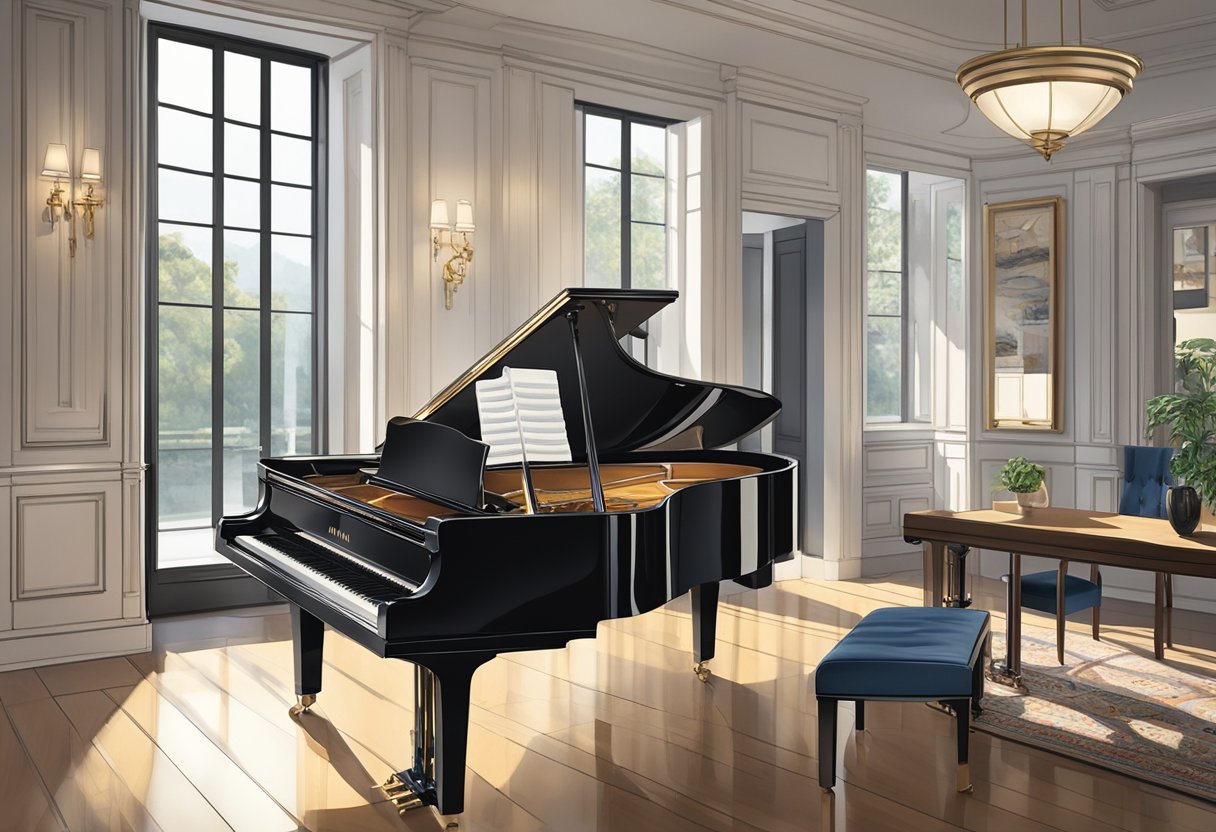
Moving up from there, if you’re looking at an acoustic piano, such as the revered Yamaha U1 and U3 upright pianos, the investment goes up significantly.
My former student actually had a U1, and I remember being in awe of its rich sound and responsive action. These models are crafted with solid spruce soundboards and ribs, which is why they have such a resonant voice. It truly made a difference, and I could see why they had chosen to invest in that particular model.
Understanding Yamaha Piano Pricing
When diving into the world of Yamaha pianos, understanding the pricing can be quite a journey, as the costs vary widely based on a multitude of factors. From the model and condition to whether the instrument is new or pre-owned, each aspect plays a crucial role in determining the price.
New vs. Second-Hand Pianos
Pianos are like cars – their value changes the moment they leave the showroom.
Buying a new Yamaha piano means I’m also paying for the peace of mind that comes with a full warranty and the assurance that no one before me has affected its condition. Recently, while browsing options, I was enticed by attractive financing options for new models.
On the flip side, second-hand Yamaha pianos can be significantly less expensive. Just last month, my friend snagged a beautiful Yamaha Clavinova that was barely used, saving almost 50% compared to the new model’s list price.
Price Ranges for Different Models
Yamaha offers a plethora of piano models tailored to different needs and budgets. For instance:
- Upright Pianos: start from around $6,000 for basic models, with professional instruments such as the U Series costing upwards of $10,000.
- Grand Pianos: these can range from $20,000 for entry-level grands to over $150,000 for concert-level instruments.
- Digital Pianos: such as the Clavinova, Disklavier, or TransAcoustic, can start under $2,000 and go up depending on technology and features. For most beginners, a digital piano at this price point is simply not necessary. The P45 and P115 models will suffice.
Factors Influencing Cost
Multiple factors affect the price of a Yamaha piano:
- Size: Larger pianos with longer strings and bigger soundboards offer richer sound, thus higher prices.
- Color and Finish: High-gloss ebony is standard, but specialty woods or finishes can increase the cost.
- Condition: For second-hand purchases, the cost is heavily dependent on maintenance history and wear.
- Type: Digital Yamaha pianos typically cost less than acoustic models, but innovations in models like the TransAcoustic might bump up the price due to their hybrid capabilities.
From personal experience, choosing an older Yamaha model that was well-maintained provided amazing value, but it was crucial to check the cost of any necessary repairs, tuning, and transportation before making a decision.
Making an Informed Piano Selection
When choosing a Yamaha piano, it’s important to take into consideration the brand’s commitment to innovation and the variety of models they offer.
From the precise craftsmanship in their soundboards and keyboard actions to the advanced features like Yamaha Silent and MIDI recording capabilities, Yamaha caters to both professional musicians and home enthusiasts seeking exceptional tone and versatility.
Where to Purchase Yamaha Pianos
Finding a Yamaha piano for sale is as easy as visiting your local authorized dealer or exploring online platforms such as PianoMart, where you can browse a vast inventory that often includes pre-owned options.
For the best experience, it’s crucial to visit a dealer and physically engage with the keyboard action; feeling the touch and response is something you just can’t get from online descriptions.
Accessories and Additional Considerations
Beyond the piano itself, consider the accessories that can enhance your playing experience. A sturdy bench, the right set of pedals, and where relevant, MIDI equipment for connecting your piano to other digital devices are worth the investment.
In Japan, where my Yamaha was crafted, they pay close attention to these details, which can dramatically affect your overall playing experience. Remember, your goal is to find a piano that not only sounds great but also feels great under your fingers.

Hello & thanks for stopping by! I’m a professional concert pianist and piano instructor. In the United States, I’ve given successful performances in several places including New York, Florida, Connecticut, & New Jersey, I have also performed internationally in Italy and made my Carnegie Hall debut in 2014. I enjoy blogging about the piano, the art of performance, general music, current events and the latest in music production.